Upland highlight
Historic citrus
George Chaffey established Upland as an agricultural center in 1882, and by 1936 the region was producing 60 percent of the nation's citrus supply.
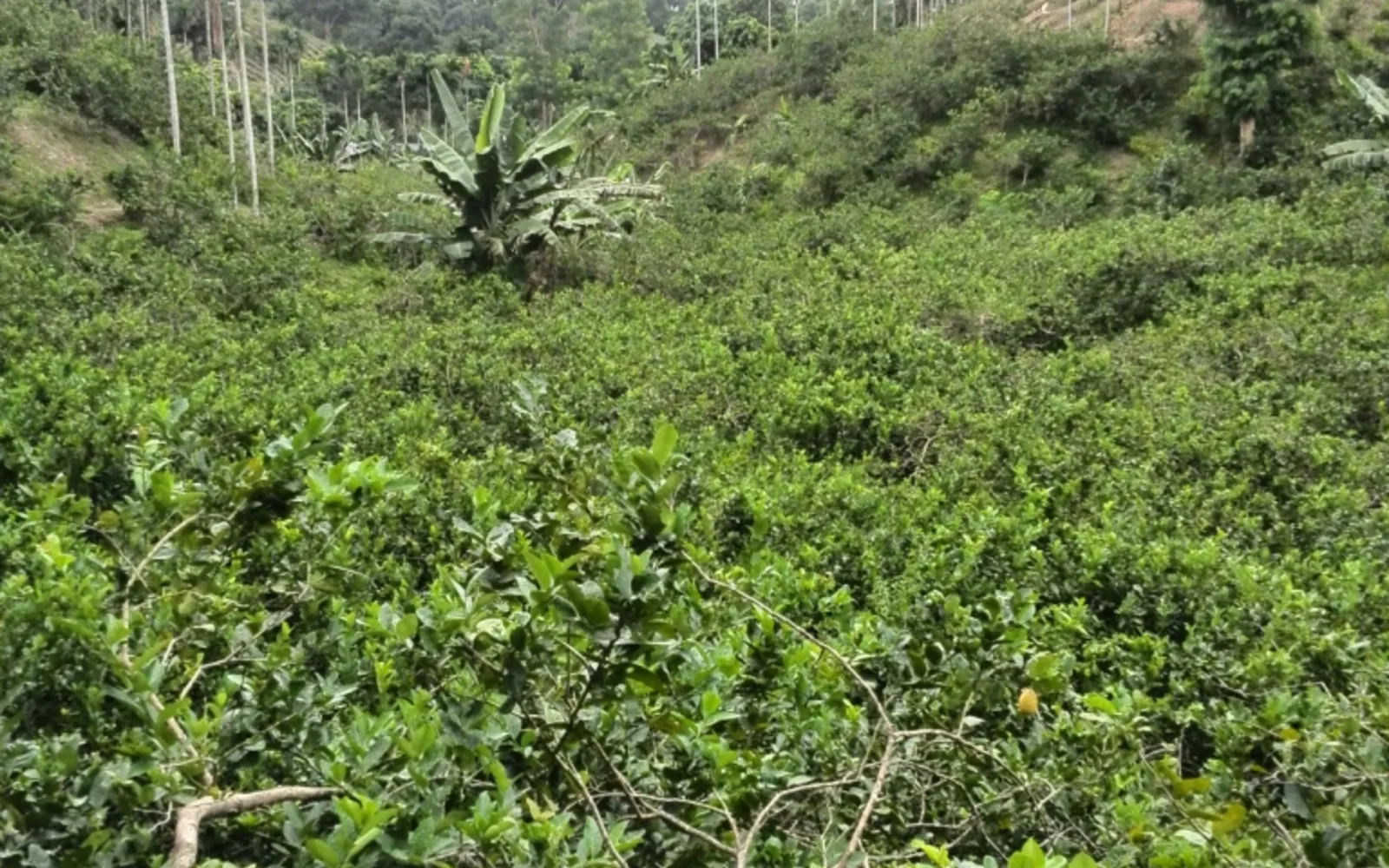
George Chaffey, a Canadian entrepreneur, purchased over 8,000 acres in 1882 and implemented an innovative irrigation system that made agriculture viable in the San Bernardino foothills. The area initially produced diverse fruits, but by 1889, approximately 2,000 acres of citrus orchards had been planted. The scale of production grew steadily: by the 1930s, citrus had become California's dominant agricultural crop, and the region achieved remarkable economic significance.
At its height, Upland's citrus industry produced sixty percent of the nation's citrus supply and twenty percent of the world's supply, with 1936 revenues from the state's citrus industry totaling $97,000,000. The prosperity did not last indefinitely. After World War II, land values began to skyrocket, and growers began to sell their land to developers. The completion of Interstate 10 in 1954 accelerated the transition from a rural agricultural character to a residential and commercial community.
The families who built Upland's agricultural heritage made long-term plans: planting orchards they would not fully harvest, investing in systems that would serve generations. That same thinking—planning for the years ahead and the people who depend on you—is what a life insurance policy does in modern terms.